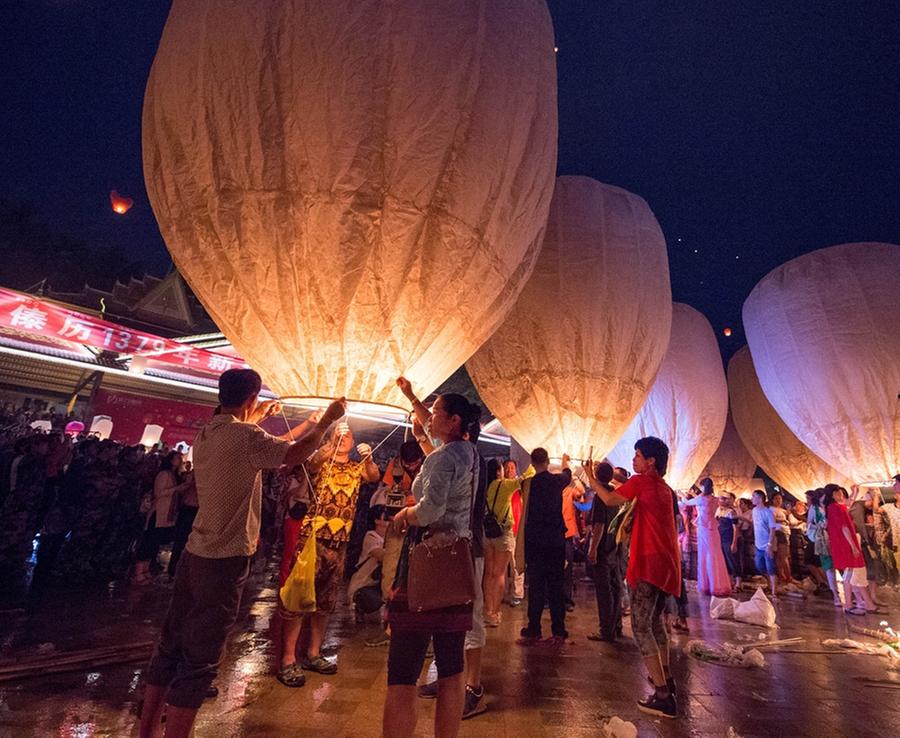
Kongming Lantern
Introduction
The Kongming Lantern, also known as the sky lantern, is a traditional Chinese craft and cultural artifact that has been cherished for centuries. These floating lanterns are made from lightweight paper and are powered by a small flame that heats the air inside, allowing them to ascend into the sky. Originally designed for military communication during the Three Kingdoms period (220–280), the Kongming Lantern has evolved into a symbol of hope, good fortune, and celebration. Today, it is widely used in festivals, ceremonies, and cultural events across China and beyond, captivating people with its serene beauty and symbolic significance.
History
The origins of the Kongming Lantern date back to the Three Kingdoms period in ancient China. It is believed that the lantern was The Kongming Lantern holds deep cultural and symbolic significance in Chinese traditions. It is often associated with themes of hope, renewal, and spiritual connection. The act of lighting and releasing a lantern is seen as a way to send prayers, wishes, and messages to the heavens, seeking blessings, guidance, or good fortune.invented by Zhuge Liang, also known as Kongming, a renowned military strategist and chancellor of the Shu Han state. According to historical accounts, Zhuge Liang used these lanterns as a signaling device during military campaigns, enabling communication over long distances. The lanterns were named "Kongming" in his honor.
Over time, the practical use of Kongming Lanterns for military purposes diminished, and they became a part of traditional Chinese culture. By the Song Dynasty (960–1279), the lanterns were incorporated into various festivals and celebrations, symbolizing the release of worries and the welcoming of good fortune. The practice of lighting and releasing Kongming Lanterns became particularly popular during the Mid-Autumn Festival and the Lantern Festival, where they were used to express prayers, wishes, and gratitude.
In modern times, the Kongming Lantern has transcended its historical roots to become a global cultural phenomenon. It is now a common sight at festivals, weddings, and other celebratory events, where it continues to inspire awe and wonder.
Design and Structure
The Kongming Lantern is a simple yet ingenious creation that combines traditional craftsmanship with basic principles of physics. It consists of the following components:
-
Frame: The frame of the lantern is typically made from bamboo or other lightweight materials. The frame provides structural support and maintains the lantern's shape.
-
Paper Shell: The outer shell of the lantern is made from thin, lightweight paper, such as rice paper or tissue paper. This material is chosen for its ability to trap hot air while being light enough to allow the lantern to float.
-
Fuel Source: At the base of the lantern, a small fuel source, such as a wax-coated paper or a small candle, is attached. When lit, the flame heats the air inside the lantern, creating lift.
-
Opening: The bottom of the lantern is open to allow the heated air to escape and provide the necessary buoyancy for the lantern to rise.
The design of the Kongming Lantern has remained largely unchanged over the centuries, although modern versions may incorporate additional features such as decorative patterns, messages, or LED lights for added visual appeal.
Festivals and Celebrations
The Kongming Lantern is often associated with themes of hope, renewal, and spiritual connection. The act of lighting and releasing a lantern is seen as a way to send prayers, wishes, and messages to the heavens, seeking blessings, guidance, or good fortune.
The Kongming Lantern is a prominent feature of several traditional Chinese festivals and celebrations, including:
-
Mid-Autumn Festival: During this festival, families gather to appreciate the full moon and release Kongming Lanterns as a symbol of unity and hope. Children often write their wishes on the lanterns before releasing them into the night sky.
-
Lantern Festival: Celebrated on the 15th day of the Lunar New Year, the Lantern Festival marks the end of the Chinese New Year celebrations. Kongming Lanterns are released as part of the festivities, creating a breathtaking display of floating lights.
-
Water Splashing Festival: Among the Dai ethnic group in Yunnan province, the Water Splashing Festival is a major event that includes the release of Kongming Lanterns. The lanterns symbolize the washing away of past misfortunes and the welcoming of new beginnings.
-
Weddings and Special Occasions: Kongming Lanterns are often used in weddings and other special occasions to symbolize love, happiness, and prosperity. Guests may write messages or blessings on the lanterns before releasing them.
Adoption in Other Cultures
The Kongming Lantern has been embraced by many cultures outside of China, often being incorporated into local festivals and celebrations. For example:
-
In Thailand, the lanterns are a key feature of the Yi Peng Festival, where thousands of lanterns are released into the sky as an offering to Buddha and a symbol of letting go of past grievances.
-
In Myanmar, the release of Kongming Lanterns is part of the New Year Water Festival, where it represents the release of bad luck and the welcoming of prosperity.
Modern Usage
In recent years, the Kongming Lantern has also found its place in modern entertainment and tourism. For example:
Drone Performances: In some scenic areas, drones are used to carry Kongming Lanterns, creating synchronized aerial displays that combine traditional elements with modern technology.
Art Installations: Kongming Lanterns are often featured in art installations and cultural exhibitions, showcasing their aesthetic and cultural value.
Eco-Friendly Innovations: To address environmental concerns, some manufacturers have developed biodegradable and flame-resistant materials for making Kongming Lanterns, ensuring their sustainability.
In Popular Culture
The Kongming Lantern has captured the imagination of artists, filmmakers, and writers, making frequent appearances in popular culture. It is often depicted in movies, television shows, and literature as a symbol of hope, love, and the human desire to connect with something greater than oneself. The lanterns have also inspired modern adaptations and creative interpretations, further cementing their place in the global cultural landscape.
In conclusion, the Kongming Lantern is more than just a floating light; it is a timeless symbol of hope, unity, and cultural heritage. Its enduring appeal lies in its ability to bring people together, inspire wonder, and serve as a bridge between the past and the present.








